Booster Pump Installation in Edinburgh, IN
Booster pump installation for Edinburgh, IN homes includes pump sizing and electrical coordination; typical jobs run $800–$2,500, depending on pump capacity and electrical work.
A pressure drop near Blue River can turn an ordinary shower into a slow trickle. We trace the cause before recommending a repair, whether the problem affects one fixture or the whole house.
Freeze-thaw cycles stress buried water lines; in Edinburgh, that can leave a service line damaged even when indoor plumbing looks sound. A simple check is to compare flow at two faucets, then note whether both weaken at the same time. Our crew uses those details to focus testing instead of guessing.
Near Edinburgh Community High School, older plumbing and newer fixtures can behave differently under the same supply conditions. We check the pressure and accessible valves, explain what we find, and perform only work you approve. Bring the flow back home.
We serve Edinburgh, including Cuba, and route appointments through our dispatch team. Call (877) 773-0781 to describe the change in flow and arrange a visit.
Booster pump installation for Edinburgh, IN homes includes pump sizing and electrical coordination; typical jobs run $800–$2,500, depending on pump capacity and electrical work.
We trace sudden pressure loss for Edinburgh, IN homeowners, checking fixture flow and accessible supply lines; typical repairs run $150–$500, depending on access and parts.
We test residential water pressure with a gauge and compare static and flowing readings; testing time and access shape the diagnostic fee.
We repair residential pressure regulators, including accessible valve and connection work; typical repairs run $250–$700, depending on valve size and labor.
Low hot water pressure service checks hot-side valves, fixtures, and accessible pipe restrictions; typical repairs run $150–$600, depending on access and parts.
We trace weak cold-water flow in homes, checking fixtures and accessible supply piping; typical repairs run about $100–$500, depending on access and the affected pipe section.
Low Faucet Water Pressure service for homeowners with weak sink flow, including aerator and faucet checks; cost depends on access, parts, and the source of the restriction.
We restore weak shower flow by checking the showerhead, valve and supply path; access and repair scope shape the cost.
Whole-house pressure service traces weak flow across a home’s supply, fixtures, and pressure controls. Typical repair costs depend on the source, parts, and access.
We repair residential well pumps and pressure controls, checking the tank and switch; typical repair costs $300–$1,200 depending on tank size and parts.
Repair well pressure tanks for homeowners, including tank and component work; typical jobs run $300–$1,200, depending on tank size and parts.
We trace weak upstairs flow in homes, checking the pressure path and accessible piping. Repair scope depends on access, pipe condition, and parts.
We replace household pressure regulators, including valve sizing and fit; typical jobs run $250–$700, driven by valve size and labor.
We clear or repair clogged residential water lines, including accessible pipe sections; typical jobs run $200–$1,500, depending on blockage location and pipe access.
We repair softener valves, clogged resin beds, and bypasses; typical repairs run $150–$600, depending on parts and access.
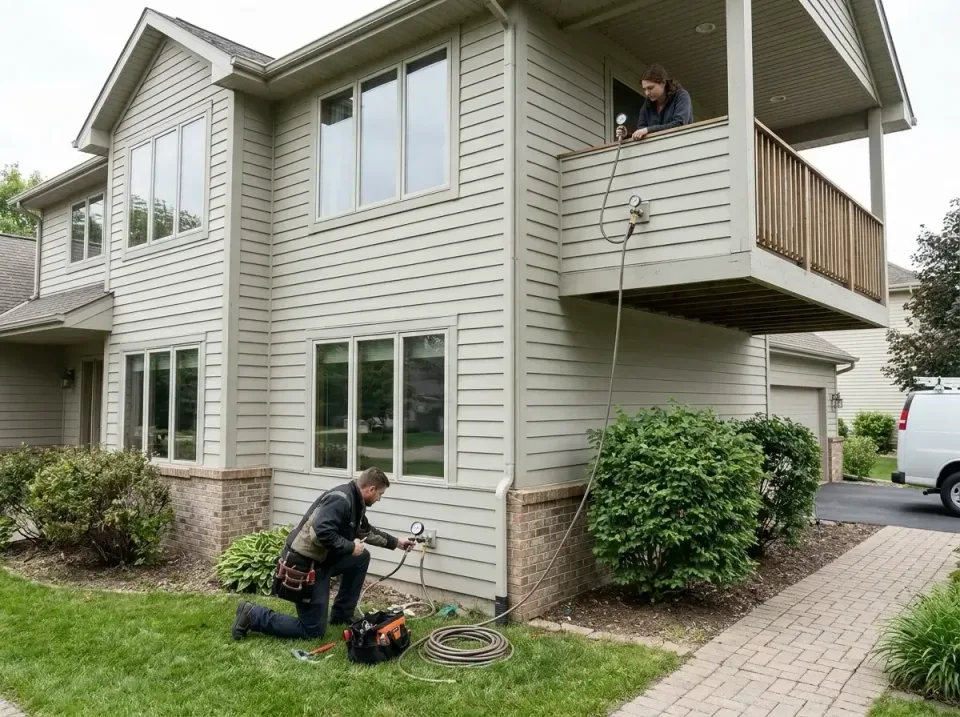
Edinburgh’s Edinburgh Public Library and Edinburgh Memorial Park are familiar landmarks in a town where homes and service needs vary from block to block. Summer heat and humidity can raise household water use, so a pressure complaint that appears during busy hours deserves a flowing-pressure check, not just a quick look at a faucet.
Heavy summer thunderstorms can interrupt municipal service, while seasonal groundwater changes may affect private wells; we ask what supply serves the property and when the trouble began. Our Indiana-licensed plumbing contractor explains the findings in plain language, schedules around access to the plumbing, and completes only approved repairs.
A shower that weakens across a frame house or bungalow may point to a fixture restriction, while poor flow at several taps calls for broader testing. Edinburgh’s humid continental climate means homes also face sharp cold-weather changes; we check exposed plumbing and crawlspace access where conditions support that inspection.
Hard freezes can expose poorly insulated plumbing, so we ask whether flow changed after a cold spell. Rapid temperature swings can raise freeze risk in crawlspaces; our crew checks accessible lines and compares flow at more than one fixture.
Indoor heating can worsen leaks in vulnerable plumbing, so look for visible dampness near accessible pipes and tell us what you find. We do not ask customers to open walls.
We handle Edinburgh appointments in ZIP code 46124. Keep fixtures accessible and identify the main shutoff if you can; our team will explain the next diagnostic step.
Cold winters can freeze exposed pipes and damage outdoor hose bibs around Edinburgh homes. If a hose bib leaks or indoor flow drops after a freeze, shut off the fixture’s supply if its valve is easy to reach; our crew can inspect the accessible connection before tracing a wider pressure problem.
A well pump can also stop restoring pressure after a severe storm interrupts power. Near Edinburgh City Hall, our team asks whether the property uses a private well, checks pump operation and pressure controls, and distinguishes an electrical interruption from a plumbing fault. We do not recommend resetting equipment you cannot safely access.
A restricted water softener can reduce flow, while a water heater issue may explain pressure loss limited to hot taps.
Local permit requirements vary by municipality, so a repair that changes piping or equipment may need local review rather than an assumption that no permit applies.
At an Edinburgh property near Edinburgh City Hall, our team checks the job scope and applicable local requirements before work begins. Skipping a required permit or inspection can leave concealed work undocumented and complicate later repairs or property transactions.
We record static and flowing pressure before repairs so the diagnosis has a clear baseline. That distinction matters when a fixture seems fine at rest but loses flow during use.
We explain whether the planned work calls for a permit or inspection and complete only the work you approve.
Indiana Plumbing Pros traces pressure trouble and explains the repair options before work begins.
The crew checks affected fixtures and the plumbing system to trace the source, whether it involves a regulator, clogged line, well system, or fixture. That helps keep recommendations focused on the actual issue.
After checking the system, the technician explains the findings and reviews repair options before starting. You can understand the proposed scope and agree on the work before a repair begins.
The team works across Indiana, coordinating routes to serve Edinburgh and smaller communities. Experience with older homes, mineral buildup, and freezing conditions helps technicians consider local plumbing factors during diagnosis.
The visit moves from understanding the concern to checking the repair results.
Discuss The Concern
The team gathers details about where pressure is low and when it happens, then schedules a visit. You get a clear starting point for the diagnostic check at your home.
Check Pressure
The technician records static and flowing pressure, then tests multiple fixtures to narrow down the restriction. You learn whether the issue appears isolated to a fixture or affects the plumbing system.
Repair And Retest
The crew shuts off water before opening pressurized piping and verifies pump power isolation before electrical work. After repairs, they retest pressure and fixture flow so you can see the result.
Mineral crust on faucet aerators can signal buildup where water exits the fixture. If deposits return after cleaning or appear on several fixtures, note where they show up; that detail can help a technician assess possible restrictions.
A tap that sputters or spits air may be showing an early change in water delivery. Notice whether it happens consistently and which fixture is affected, then share that pattern when arranging an assessment.
Spring severe thunderstorms can make it useful to check plumbing concerns before they disrupt daily routines. If pressure has changed, arrange a diagnosis to identify whether the cause is a fixture, line, regulator, or well system.
Humid summers bring a good opportunity to address pressure concerns that have been easy to put off. A technician can check affected fixtures and the plumbing system, then explain repair options for the conditions found.
Fall is a practical time to investigate pressure changes before seasonal freezing conditions arrive. Diagnosis can help identify a restriction or equipment issue and clarify whether a repair is appropriate for the home.
Seasonal freezing rain and hard freezes can affect plumbing conditions in Indiana homes. If water pressure changes, a technician can assess the system and discuss next steps rather than leaving the cause uncertain.
Well Pump Cycling
Before: The well pump cycles without restoring pressure, leaving the household unsure whether the pump or another part of the system is involved.
After: A technician checks the well system, explains the findings, and reviews repair options. After approved work, pressure and fixture flow are retested so the homeowner can assess the change.
Permit requirements can depend on the work and local rules. Clarifying this before scheduling helps you understand what approvals may be needed and who is responsible for addressing them.
Some checks may require access to fixtures, plumbing, a regulator, or well equipment. Asking ahead can help you clear the relevant areas and avoid delays during the technician's assessment.
The team reviews findings and repair options before starting work. Confirming how approval works helps you understand the proposed scope and decide whether to proceed before any repair is made.
Request a quote online or contact our Edinburgh, IN team directly by phone or email.
A sudden drop can come from a local fixture restriction, a supply interruption, a valve issue, or a problem in the home’s piping. Check whether more than one faucet is affected and whether both hot and cold water are weak. In Edinburgh, tell our crew whether the property uses municipal water or a private well so we can focus testing.
Note which fixtures have weak flow, whether the problem affects hot or cold water, and whether it changes when another fixture runs. Keep the water meter and accessible plumbing clear if possible; do not open walls or handle equipment you cannot safely reach. Our Edinburgh team uses those observations to plan the inspection.
Low Water Pressure Repair is also available in these nearby communities across Indiana.