Booster Pump Installation in New Albany, IN
Booster pump installation for New Albany, IN homes includes pump sizing and electrical coordination; typical jobs run $800–$2,500, depending on pump capacity and electrical work.
A weak shower or upstairs faucet in New Albany can point to a fixture issue or a pressure problem affecting the whole home. Our team checks the pattern before recommending a repair, so a single clogged aerator does not turn into unnecessary pipe work.
Summer heat and humidity can increase household water demand, while heavy summer thunderstorms may disrupt municipal water service. If pressure drops during a storm, note whether neighboring fixtures are affected and whether flow returns afterward. That helps our crew distinguish a brief supply interruption from a fault inside your plumbing.
From Portland and Shawnee to homes near New Albany High School, our team works on pressure problems in the city’s varied housing stock. The Ohio River waterfront is another useful local reference when arranging access and dispatch for a New Albany visit.
We explain what our readings show and discuss the repair before starting work.
Booster pump installation for New Albany, IN homes includes pump sizing and electrical coordination; typical jobs run $800–$2,500, depending on pump capacity and electrical work.
We trace sudden pressure loss for New Albany, IN homeowners, checking fixture flow and accessible supply lines; typical repairs run $150–$500, depending on access and parts.
We test residential water pressure with a gauge and compare static and flowing readings; testing time and access shape the diagnostic fee.
We repair residential pressure regulators, including accessible valve and connection work; typical repairs run $250–$700, depending on valve size and labor.
Low hot water pressure service checks hot-side valves, fixtures, and accessible pipe restrictions; typical repairs run $150–$600, depending on access and parts.
We trace weak cold-water flow in homes, checking fixtures and accessible supply piping; typical repairs run about $100–$500, depending on access and the affected pipe section.
Low Faucet Water Pressure service for homeowners with weak sink flow, including aerator and faucet checks; cost depends on access, parts, and the source of the restriction.
We restore weak shower flow by checking the showerhead, valve and supply path; access and repair scope shape the cost.
Whole-house pressure service traces weak flow across a home’s supply, fixtures, and pressure controls. Typical repair costs depend on the source, parts, and access.
We repair residential well pumps and pressure controls, checking the tank and switch; typical repair costs $300–$1,200 depending on tank size and parts.
Repair well pressure tanks for homeowners, including tank and component work; typical jobs run $300–$1,200, depending on tank size and parts.
We trace weak upstairs flow in homes, checking the pressure path and accessible piping. Repair scope depends on access, pipe condition, and parts.
We replace household pressure regulators, including valve sizing and fit; typical jobs run $250–$700, driven by valve size and labor.
We clear or repair clogged residential water lines, including accessible pipe sections; typical jobs run $200–$1,500, depending on blockage location and pipe access.
We repair softener valves, clogged resin beds, and bypasses; typical repairs run $150–$600, depending on parts and access.
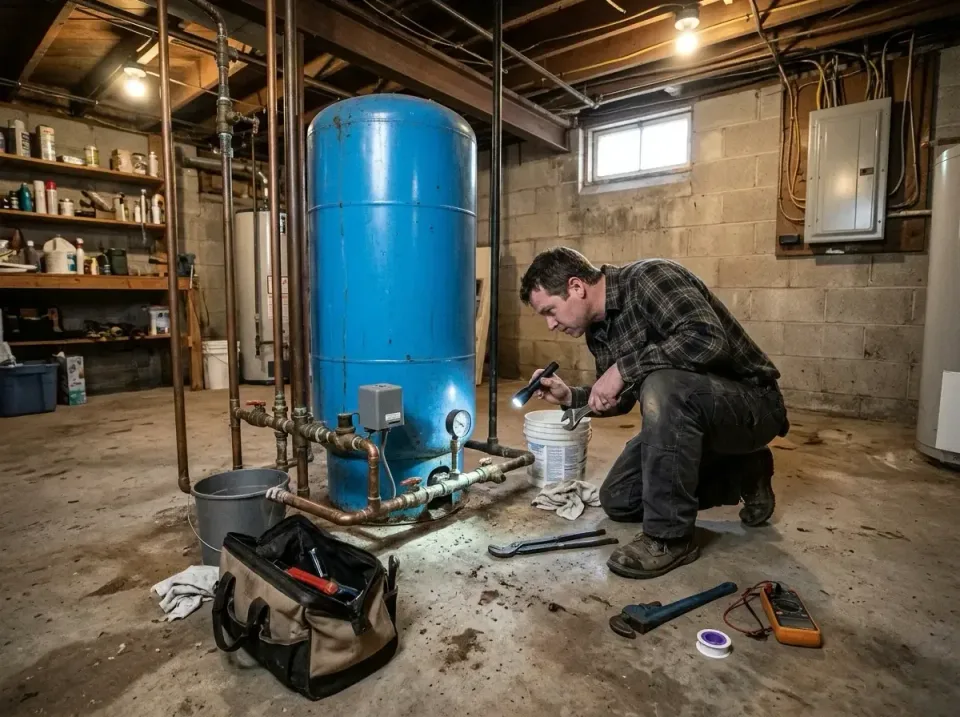
Freeze-thaw cycles can stress buried water lines, so a pressure drop after changing weather deserves a check of the service line as well as indoor fixtures. Seasonal groundwater shifts may also affect private well performance; residents should note whether the pump runs longer or pressure changes across the home. Heavy snow can make an exterior shutoff difficult to reach, so keep its location clear when conditions allow.
Near Culbertson Mansion and across the city, we schedule a visit, identify whether the home uses municipal supply or a private well, and test before recommending work. We explain findings plainly, protect the work area, and complete only repairs you approve.
When a shower weakens or several faucets slow at once, our crew first compares fixture flow and checks the main supply. A safe first check is to see whether the main shutoff is fully open, without forcing a stuck valve.
A well pump that loses power during a severe storm can leave taps weak until the system is running again. Our team checks pump operation and pressure behavior before proposing a repair.
We also trace a single-faucet problem to its aerator or local pipe instead of assuming the entire home needs work. Near New Albany City Hall, customers can arrange service for ZIP codes 47150 and 47151.
Cold winters can freeze exposed pipes and damage outdoor hose bibs; after a hard freeze, a weak tap may indicate a restriction or a leak rather than a simple fixture problem. In New Albany’s humid continental climate, indoor heating can also worsen leaks in vulnerable plumbing by drying out materials around an existing weakness.
Hard freezes can expose poorly insulated plumbing, especially around vulnerable exterior connections. Near the Carnegie Center, our crew checks accessible pipe runs, shutoff positions, and fixture flow before tracing a pressure loss farther into the system.
You can safely look for visible drips beneath sinks and confirm that accessible fixture stops are open, but do not dismantle a frozen line. If pressure remains low after conditions normalize, we can inspect the cause and explain repair options.
Our team serves Portland, Shawnee, and Silver Hills for low water pressure repair. In Portland, tell us whether weak flow affects one faucet or several; that distinction helps us plan a focused fixture check.
In Shawnee, we can compare pressure at more than one tap to see whether the problem is local or shared across the home. In Silver Hills, keep the route to the main shutoff and water meter accessible so our crew can test the supply without delay.
New Albany Public Library is a familiar city reference when coordinating a visit, but the diagnosis happens at your property: we check the reported fixtures, identify the supply type, and explain what we find. Water softener restrictions, low hot-water flow, or a weak cold-water tap can each point to different repair paths. Our team will not recommend pipe work until the checks support it.
Indiana Plumbing Pros traces pressure problems before recommending a repair.
The crew checks affected fixtures and the plumbing system to trace the source, from a regulator or clogged line to a well system or fixture. That helps keep recommendations focused on what the inspection finds.
After explaining the findings, the technician reviews repair options before work begins. You can discuss the proposed scope and decide how to proceed without surprises about what the visit is meant to address.
The team has worked on residential plumbing around Indiana, including older homes where mineral buildup and hard freezes can contribute to pressure trouble. They coordinate service across cities and smaller communities.
The technician checks the system, explains the findings, and confirms the repair before starting work.
Discuss The Concern
You describe where pressure is low and when it happens. The team uses those details to plan the visit and identify which fixtures or parts of the plumbing system need attention.
Test The System
The technician records static and flowing pressure, then tests multiple fixtures to distinguish a local restriction from a wider system issue. You get a clearer explanation of what is affecting flow.
Repair And Retest
The crew shuts off water before opening pressurized piping and verifies pump power isolation before electrical work. After repairs, they retest pressure and fixture flow so you can see how the system responds.
Severe spring storms can bring changing water conditions and make it useful to check household flow afterward. If pressure seems different, a technician can test fixtures and the system to help identify whether the cause is local or widespread.
Humid subtropical summers are a practical time to address pressure concerns before they interfere with daily water use. A pressure diagnosis can check multiple fixtures and help distinguish a fixture restriction from a plumbing system issue.
Fall is a good time to investigate a pressure change before colder weather arrives. A technician can trace the source and review repair options, including issues tied to older piping or mineral buildup.
Mild, rainy winters and Ohio River valley fog are part of local conditions, while hard freezes can still affect plumbing. If flow changes, an inspection can help identify a pressure problem and clarify what repair may be needed.
Permit needs can depend on the repair and local requirements. Ask the provider to explain whether a permit applies to the proposed scope and who will handle it, so responsibilities are clear before work starts.
A pressure diagnosis may involve testing and access, while repairs depend on what the technician finds. Ask what inspection is included and what would be discussed separately before you agree to additional work.
Knowing when repair options are presented helps you make an informed decision. Ask the provider to explain the findings and proposed work before starting, and clarify how any change to the agreed scope will be handled.
Request a quote online or contact our New Albany, IN team directly by phone or email.
A sudden drop may come from a partly closed main shutoff, a supply interruption, or a plumbing restriction. Check whether more than one fixture is affected and whether nearby taps recover after a storm. In New Albany, our team can compare fixture flow and inspect the accessible supply before recommending a repair.
Keep the main shutoff, water meter, and affected fixtures accessible, and note whether the home uses municipal water or a private well. If you are in Portland or Shawnee, tell us whether the issue affects hot water, cold water, or both; that helps focus the first checks.
Low Water Pressure Repair is also available in these nearby communities across Indiana.